The best Productboard alternatives in 2026, in short
The best Productboard alternatives in 2026 are Sleekplan, UserJot, Canny, FeatureOS, Aha!, ProdPad, Nolt, Airfocus, ProductLift and Unwrap. Sleekplan is the all-in-one pick with flat pricing: Productboard bills per maker, $19 a month on Plus and $59 on Business when billed yearly, so ten makers on Business cost $590 a month, while Sleekplan Business includes ten seats for $38 a month. Prices checked 2026-09-20.
- Sleekplan: best for an all-in-one feedback suite at a flat price, with boards, roadmap, changelog, NPS and CSAT from $13 a month and unlimited tracked users
- UserJot: best for a design-first experience
- Canny: best for community boards plus automation
- FeatureOS: best for docs plus feedback under one roof
- Aha!: best for enterprise strategy and capacity planning
- ProdPad: best for lean, pragmatic workflows
- Nolt: best for radical simplicity and the fastest setup
- Airfocus: best for flexible prioritization frameworks
- ProductLift: best for tiny budgets
- Unwrap: best for problem detection and outcome validation
The new bar for product tools in 2026
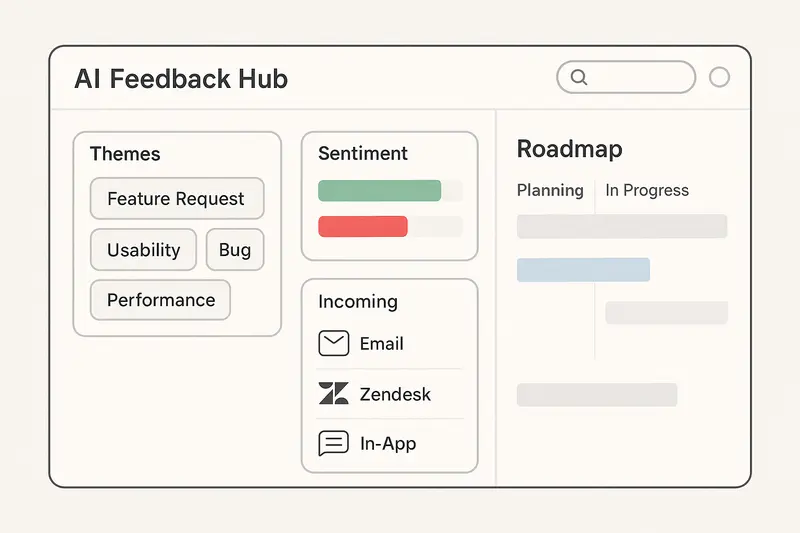
If you are evaluating Productboard Alternatives today, the checklist looks different than it did three years ago. Teams want AI that reduces busywork, pricing that scales fairly, and interfaces that people love to use. Feature votes alone are not enough. Real value comes from multi‑channel feedback, theme detection, and business‑aware prioritization.
How we evaluated each Productboard Alternative
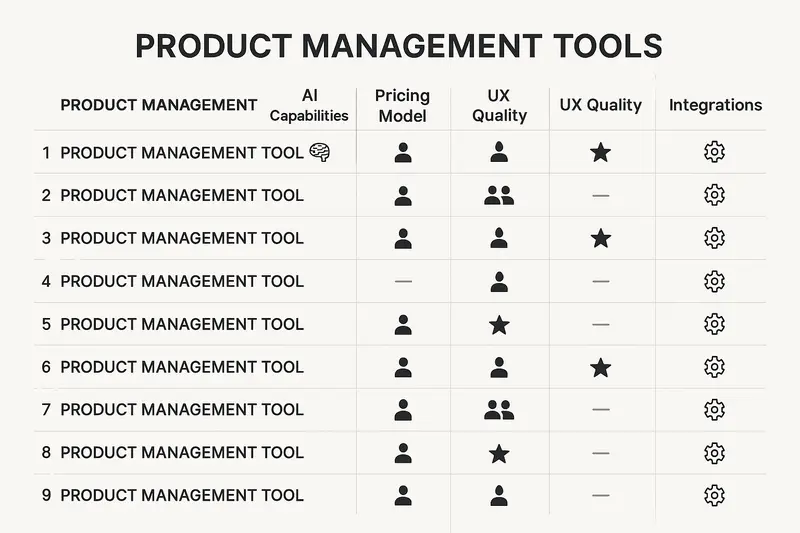
- AI depth: ingestion, clustering, sentiment, and business impact, not just keyword tags
- UX quality: frictionless for both customers and internal teams
- Time to value: setup in hours or days, not weeks
- Pricing clarity: flat or per seat over per maker, honest free tiers
- Integrations: Jira or Linear, Slack, CRM, and reliable sync
The pattern is clear: quality and craft over checkbox features. Small choices compound, like accurate deduplication or a changelog that closes the loop.
1. Sleekplan: the AI‑powered Productboard Alternative with Sleek Intelligence
Sleekplan brings feedback boards, roadmaps, changelogs, and surveys into one calm workspace, with Sleek Intelligence as the engine. It automatically collects signals from email, support tools, and social, then clusters themes, scores sentiment, and ranks by business impact. That saves hours of triage and lets PMs focus on judgment.
- Auto collection: pulls from helpdesk, inbox, and in‑app sources
- Theme clustering: semantic grouping across different phrasings
- Sentiment layers: understands frustration vs enthusiasm, not only positive or negative
- Business impact: weights by account value and churn risk
- PRD drafts: turns discovery notes into a structured first draft in minutes
See the principles behind it in our guide: AI in product management.
Pricing is straightforward. A real free plan for unlimited end users, then flat workspace tiers: Starter at $13 a month with three seats and Business at $38 with ten, both billed yearly. Details live on pricing. Predictable, fair, and accessible for growing teams.
Takeaway: automate the grind, keep the judgment human.
2. UserJot: modern design meets complete basics
UserJot focuses on contemporary UI, intuitive navigation, and solid feedback boards with roadmaps and changelogs. No pageview caps on the free plan removes an artificial nudge to upgrade. AI adds auto‑categorization and duplicate detection for smoother board hygiene.
- One‑click migration from Productboard preserves history
- Customizable widget that matches your brand fast
Read more context on design and pricing in this overview from UserJot: Top Productboard alternatives.
3. Canny: community‑driven with smart automation
Canny pairs polished UX with automated board governance. Autopilot handles semantic duplicate detection and comment summarization, and it suggests reply drafts for common threads. Integrations cover Slack, Jira or Linear, GitHub, and Salesforce for cross‑team visibility.
- Consolidates related posts to avoid vote inflation
- Realistic team permissions with manager and contributor roles
Note: Canny’s polish and integrations are strong, though pricing skews higher for small teams.
4. FeatureOS: complete all‑in‑one, plus knowledge base
FeatureOS includes boards, roadmap, changelog, and surveys, then goes further with built‑in docs and knowledge base. Kal AI highlights patterns and recommends priorities. Revenue‑weighted scoring keeps focus on accounts that matter most.
- Transparent per‑seat pricing with AI included on paid tiers
- Strong fit if you want documentation and feedback in one place
Helpful context on pricing and comparisons: Productboard vs Sleekplan on FeatureOS.
5. Aha!: strategy, capacity, and portfolio rigor
Aha! connects feedback to company goals, initiatives, and capacity planning. It shines for organizations juggling multiple product lines and strict resourcing. You trade simplicity for depth, but if you need roadmap realism and OKR alignment, it delivers.
- Visualizes how features support goals and budgets
- Forces credible plans by tying scope to capacity
Market context and alternatives: Productboard alternatives on monday.com.
6. ProdPad: lean and pragmatic
ProdPad trims to the essentials for small teams. Idea capture, feedback, and roadmaps without heavy configuration. Editor‑based pricing stays reasonable, and implementation is quick.
- Practical for early‑stage PMs who want less ceremony
- Keeps process light so teams can learn fast
7. Nolt: radical simplicity
Nolt embraces the minimum required to run a healthy feedback flow. Flat pricing, austere UI, and deployment in under an hour. If you have tool fatigue, this reset can feel refreshing.
- Launch a functional board same day
- Less to configure, less to maintain
8. Airfocus: flexible prioritization frameworks
Airfocus is modular. You can tailor workflows and use a multidimensional prioritization matrix that balances effort, strategy, value, and revenue impact. Great for teams with established methods that need better tooling.
- Strong for custom scoring and trade‑off visibility
- Per‑user pricing fits mid‑market teams with clear ROI targets
More context on Airfocus vs peers: insights from CPO Club’s comparison guide are useful for framing options.
9. ProductLift: indie value with a personal touch
ProductLift is built and supported by a founder who stays close to customers. You get boards, roadmap, changelog, white‑labeling, and sensible AI like auto‑tagging at a very low price point.
- Excellent for contractors, tiny teams, and side projects
- Focused feature set keeps the surface area small
For background on indie tools and pricing ranges, see UserJot’s roundup of alternatives which highlights ProductLift’s value.
10. Unwrap: problem detection and outcome validation
Unwrap is purpose‑built for learning. It clusters feedback semantically to reveal underlying problems, then tracks whether releases actually reduce related complaints and improve sentiment. It shifts the conversation from features to outcomes.
- Great when you already collect feedback and want deeper signals
- Useful for measuring real impact after launch
Explore their approach to problem‑first analysis: Best product feedback tools for 2026.
Fast setup, better adoption
Teams favor tools that launch in hours, not weeks. Modern UI reduces training, and clear workflows encourage participation across support, success, and engineering. The result is more signal, less ceremony.
Advanced analytics without losing judgment
AI should compress discovery time, not replace judgment. The strongest platforms turn messy text into clear patterns, then expose trade‑offs using revenue, churn risk, and effort. We still decide, but with sharper evidence.
For the craft behind evidence‑based prioritization, start here: Feature voting in 2026.
FAQs about Productboard Alternatives
- What is the best Productboard Alternative in 2026?
- For most SaaS teams, Sleekplan pairs an all‑in‑one suite with Sleek Intelligence for auto‑collection, clustering, sentiment, and business‑aware ranking. It balances power and clarity.
- Which options are cheaper than Productboard for small teams?
- Sleekplan’s flat workspace tiers, ProductLift’s entry pricing, and UserJot’s free plan offer strong value.
- Which tools have AI theme detection and deduplication?
- Sleekplan, UserJot, Canny, and FeatureOS all support semantic clustering or duplicate detection, with different depths and controls.
- What if I need enterprise strategy and capacity planning?
- Aha! is the right pick when you must link work to goals and resourcing with portfolio‑level control.
Final take
You have credible choices. If you want a Productboard Alternative that centralizes feedback and applies AI with restraint, choose Sleekplan. If design is the hill you die on, pick UserJot. If you need enterprise strategy, Aha! fits. The right call matches your team’s maturity, not a feature checklist.